







- Evaluation of Thermal Stability and Cytotoxicity of Polyvinyl Chloride/MgAl-Layered Double Hydroxide Composite Based on Ca-Zn Stabilizer
Young Seob Jong, Jae Hyung Park*,†
 , Ji Eun Lee*, and Eun-Soo Park†
 Intechnology Co., Ltd., 861-46, Poseungjangan-ro, Jang-an-ri, Jangan-myeon, Hwaseong-si, Gyeonggi-do 18586, Korea
*Fusion Material Research Group, Korea Institute of Materials Convergence Technology, Busan 47154, Korea- 칼슘-아연 안정제를 기반으로 한 폴리염화비닐/MgAl-층상이중수산화물 복합체의 열 안정성 및 세포 독성 평가
정영섭 · 박재형*,†
· 이지은* · 박은수† (주)인테크놀로지, *한국소재융합연구원 융합소재연구단
Reproduction, stored in a retrieval system, or transmitted in any form of any part of this publication is permitted only by written permission from the Polymer Society of Korea.
Sustainable calcium-zinc (Ca-Zn)-based complex stabilizers were developed to replace existing heavy metal-based polyvinyl chloride (PVC) stabilizers, such as cadmium, barium, and lead, which are known for their toxicity to the human body. A series of PVC composites were prepared by adopting MgAl-layered double hydroxide (MgAl-LDH) as a co-stabilizer, and their thermal stability and cytotoxicity were subsequently evaluated. The mixing ratio of the Ca-Zn:Sn:MgAl-LDH complex stabilizer corresponding to the results of the discoloration and cytotoxicity tests using human lung fibroblasts (MRC-5) was derived as 1:0.2:1. Additionally, it was confirmed that the heat resistance of the composite supplemented with 0.2 phr of aluminum acetylacetonate, which has a β-diketone structure, was improved by nearly 2 h.
인체 유해성이 알려진 카드뮴, 바륨, 납 등 기존의 중금속계 폴리염화비닐(PVC) 안정제를 대체할 수 있는 지속 가능한 칼슘-아연(Ca-Zn)계 복합안정제 개발을 수행하였다. MgAl-층상이중수산화물(MgAl-LDH)을 보조 안정제로 채택하여 일련의 PVC 복합체를 제조한 후 열안정성과 세포독성을 평가하였다. 변색 및 인간 폐 섬유아세포(MRC-5)를 이용한 세포독성 시험 결과에 부합되는 Ca-Zn:Sn:MgAl-LDH 복합안정제의 혼합비는 1:0.2:1로 도출되었다. 추가로 β-디케톤 구조의 알루미늄 아세틸아세토네이트가 0.2 phr 첨가된 복합체의 경우 열안정성이 2시간 가까이 향상됨을 확인할 수 있었다.
A series of polyvinyl chloride (PVC) composites were prepared by adopting MgAl-layered double hydroxide as a co-stabilizer, and their thermal stability and cytotoxicity were subsequently evaluated. The optimal mixing ratio for heat resistance and non-toxicity was determined through discoloration tests of the fabricated composites and cytotoxicity evaluations using 3-(4,5-dimethyl-thiazol-2-yl)-2,5-diphenyltetrazolium bromide (MTT) assays.
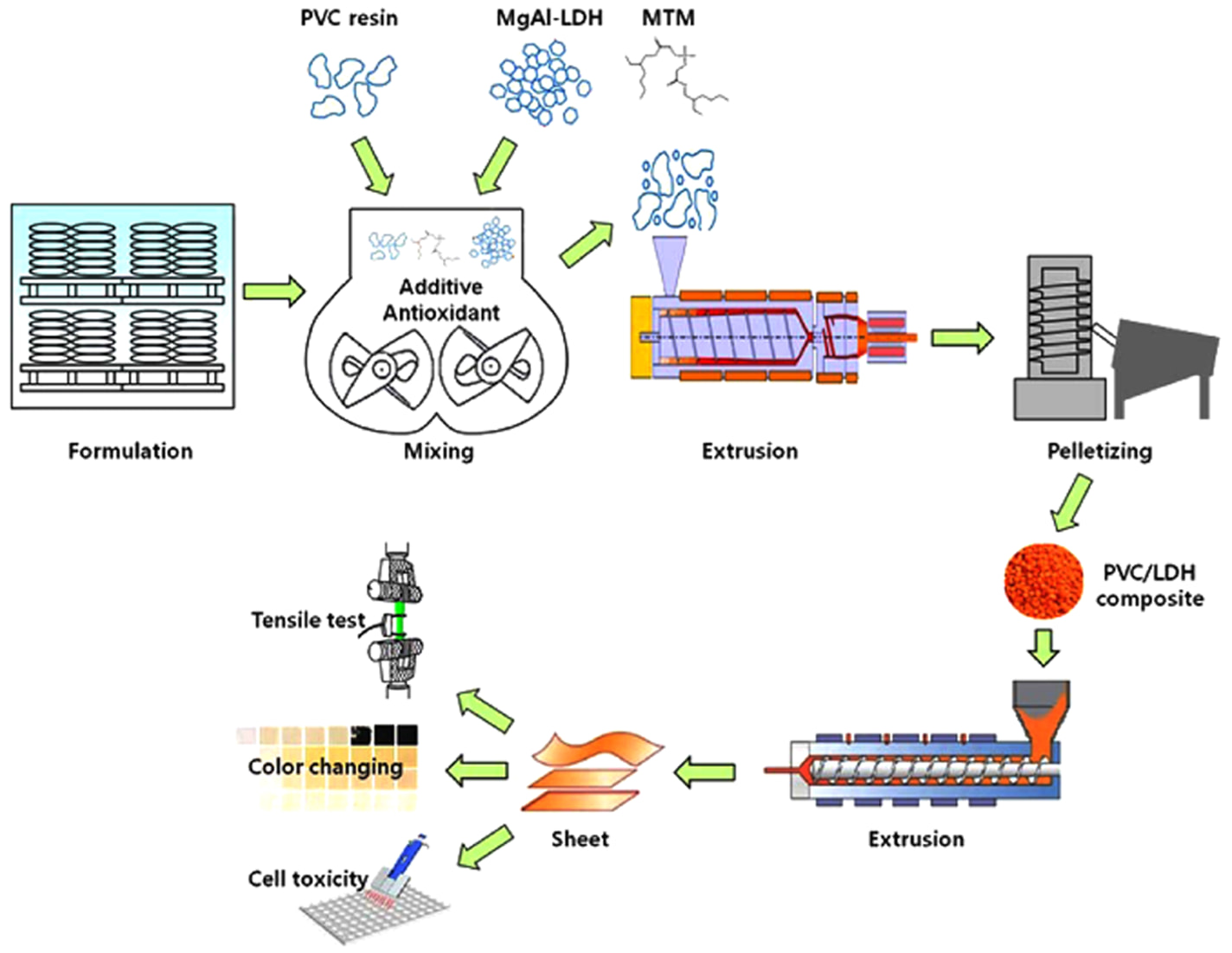
Keywords: polyvinyl chloride, stabilizer, composite, thermal stability, cytotoxicity.
This work was supported by the R&D program of MCEE/KEITI (RS-2025-02223750), Development of alternatives to heavy metal stabilizers for PVC).
The authors declare that there is no conflict of interest.
Despite its dominance in the construction industry,1,2 polyvinyl chloride (PVC) requires robust thermal stabilization to prevent dehydrochlorination during high-temperature manufacturing.3 The release of hydrogen chloride (HCl) gas acts as an autocatalyst, leading to structural failure and discoloration.4,5 Current stabilization methods, however, are hindered by the toxicity of lead-based additives and the high cost of organotin compounds, creating a critical need for eco-friendly alternatives.6
Layered double hydroxides (LDHs) offer a promising remedy through their high anion exchange capacity,7-9 which enables them to intercept and neutralize HCl before degradation accelerates.10-13 Research into MgAl and ZnAl-LDHs highlights not only their effectiveness as acid scavengers but also their excellent biocompatibility.14,15 These attributes, confirmed by low cytotoxicity in human cell lines,16 make LDHs a sustainable and safe alternative to traditional, environmentally burdensome stabilizers.
Therefore, this study aims to develop a PVC complex stabilizer capable of replacing conventional heavy metal thermal stabilizers. The goal is to exclude severely hazardous substances such as lead, barium, cadmium, and chromium, while achieving at least 90% of the performance of traditional lead-based stabilizers in terms of thermal stability, dechlorination efficiency, and lead-leaching resistance. To this end, the content of non-toxic calcium-zinc stearate (Ca-Zn) stabilizer was kept constant, while the concentrations of methyltin mercaptide (MTM)-a tin-based (Sn) stabilizer-and MgAl-LDH were systematically adjusted. The optimal mixing ratio for heat resistance and non-toxicity was determined through discoloration tests of the fabricated PVC/LDH composites and cytotoxicity evaluations using 3-(4,5-dimethyl-thiazol-2-yl)-2,5-diphenyltetrazolium bromide (MTT) assays.
Materials. PVC (LS100, LG Chem, Ltd., Korea), lead stearate [Pb stabilizer, (Duksan Pure Chemicals Co., Ltd., Korea)], MTM (95%, Merck KGaA, Darmstadt, Germany), dioctyl terephthalate [DOTP, (OC-100, OCI Company Ltd., Korea)], stearic acid (ELOFAD SH60, LG Household & Health Care, Ltd., Korea), pentaerythritol tetrakis[3-(3,5-di-tert-butyl-4-hydroxyphenyl)propionate] [PBHP (AO-60, ADEKA Korea)], and calcium carbonate (BKEICAL HIT-1000, Daemyung Chemical Co., Ltd., Korea) were used as received. Barium-zinc stearate (Ba-Zn) and Ca-Zn stabilizers were provided by KD Chem Co., Ltd., Korea. MgAl-LDH (HI-TAL) was obtained from Sinwon Industrial Co., Ltd., Korea. For other materials that do not affect the test results, reagent grade was used.
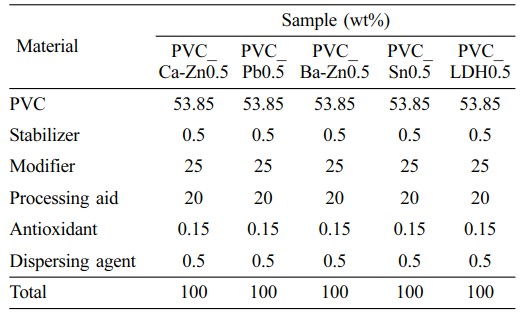
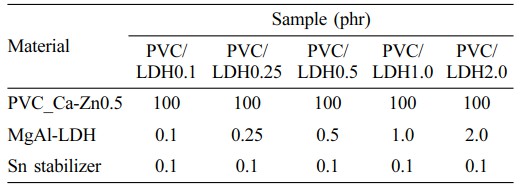
Preparation of PVC Composite Containing LDH. The base PVC compound was formulated with 53.85 wt% PVC resin, supplemented with 0.5 wt% Ca-Zn stabilizer, 25 wt% modifier (calcium carbonate), 20 wt% processing aid (DOTP), 0.15 wt% antioxidant (PBHP), and 0.5 wt% dispersing agent (stearic acid). To this base, varying amounts of MgAl-LDH (0.1, 0.25, 0.5, 1.0, and 2.0 phr) and 0.1 phr of Sn stabilizer were added. The mixture was processed in a 3 L kneader mixer (Hwa Shin Machinery Co., Ltd., Korea) at a rotor speed of 60 rpm and a temperature of 145 °C for 10 min. Following the kneading process, the material was pelletized and subsequently molded into sheets using a hot plate press at ~160 °C.
Instrumentation. The thermal stability of the composites was evaluated via thermogravimetric analysis (TGA) using a Q500 analyzer (TA Instruments, USA). Thermal treatment was conducted under a nitrogen atmosphere, ramping the temperature from 80 to 800 °C at a steady rate of 20 °C/min.
Thermal Discoloration Analysis. To evaluate the efficacy of the thermal stabilizers, the color transition of the PVC/LDH composite sheets was monitored during heat exposure. Pre-cut PVC slices (measuring roughly 15 × 20 × 1 mm) were positioned on aluminum foil and introduced into a temperature-controlled aging oven set at 200 °C. The specimens were removed every 5 min, and a high-resolution digital camera was used to document their gradual discoloration.
The extent of discoloration (DC) was quantified through digital image processing using a commercial software, following the equation: DC=(AC×100)/AT. Here, AT represents the total surface area of the sample after the discoloration test, and AC represents the discolored area after the test. To resolve any ambiguity in assessment, the discoloration endpoint was established as the moment when localized staining or color change encompassed more than 10% of the entire sample surface.
Cytotoxicity Test. To prepare the extraction vehicle, a minimum essential medium containing 10% fetal bovine serum (MEM/10%-FBS) was utilized. A 4 g portion of the film-shaped specimen was immersed in 20 mL of MEM/10%-FBS and subsequently eluted at 37 °C for 24 h under continuous agitation. The resulting supernatant was collected and designated as the 100% sample extract. The MEM/10%-FBS without the test sample was stored in the same type of container as that holding the test sample and was exposed to identical conditions during the extraction process; this was designated as the blank medium.
Concurrently, human fetal lung fibroblast cells (MRC-5) were suspended in the MEM/10%-FBS and calibrated to a density of 1 × 10⁵ cells/ml. Utilizing a multichannel pipette, 100 µL of the cell-free MEM/10%-FBS was allocated into the peripheral wells of a 96-well microplate to serve as blanks. The inner wells were seeded with 100 µL of the cell suspension, achieving an initial seeding density of 1 × 10⁴ cells/well. The plate was then incubated at 37 °C for 24 h.
Following this incubation period, the existing medium was aspirated. Each well was then replenished with either 100 µL of the 100% sample extract or an equivalent volume of the blank medium. After an additional 24 h of incubation, cell viability was quantified via the MTT assay in strict accordance with the ISO 10993-5:2009 guidelines. The cell viability percentage was determined using the Viability%=(100×OD570e)/OD570b equation: where OD570e represents the mean optical density of the groups treated with the 100% test sample extract, and OD570b denotes the mean optical density of the blanks. All experiments were performed using at least three independent blank mediums and samples, and the data are presented as the mean ± standard deviation. Based on these criteria, a reduction in cell viability to less than 70% was defined as a positive indication of potential cytotoxicity.
Thermal Stability of PVC Compounds. As shown in Scheme 1, PVC resin, heat stabilizer, modifier, processing aid, antioxidant, and dispersing agent were put in a double spindle kneader and kneaded at 145 °C to prepare the PVC compound. For the polymer matrix, a suspension polymerized PVC homopolymer was employed, characterized by a degree of polymerization of 1000 ± 30 and a K-value of 66. To ensure adequate flowability during processing, 20 wt% of DOTP was incorporated as a processing aid. 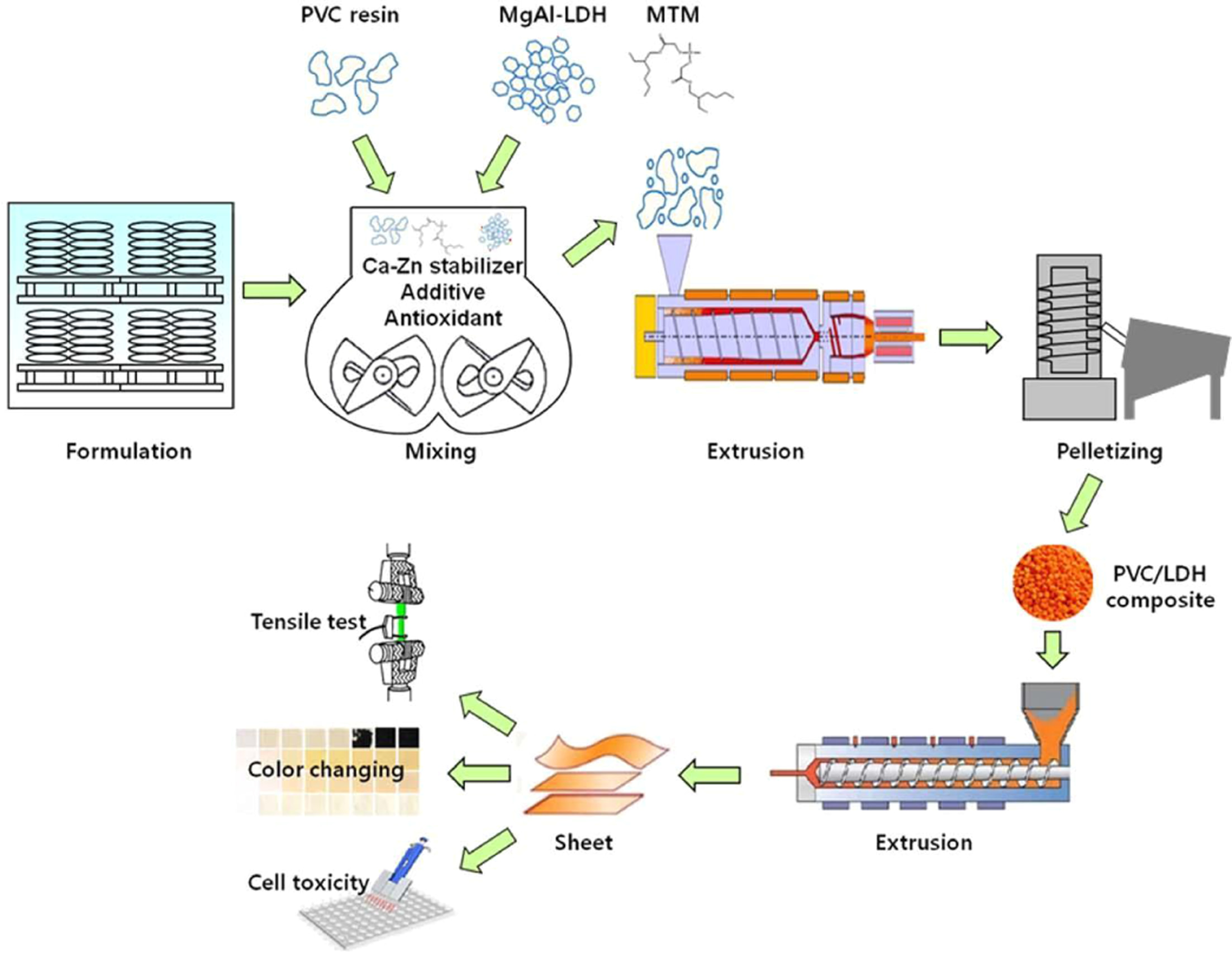
Scheme 1. Manufacturing process of PVC/LDH composites.
To enhance weather resistance and minimize shrinkage, the formulation was reinforced with 25 wt% of calcium carbonate, which had been surface-modified with stearic acid. Additionally, for processing and long-term thermal stability, PBHP is utilized at 0.15 wt% as an antioxidant. For the prepared PVC compounds, the measured tensile yield strength was recorded at 32 MPa. Furthermore, the limiting oxygen index (LOI) sustained a level of 30%.
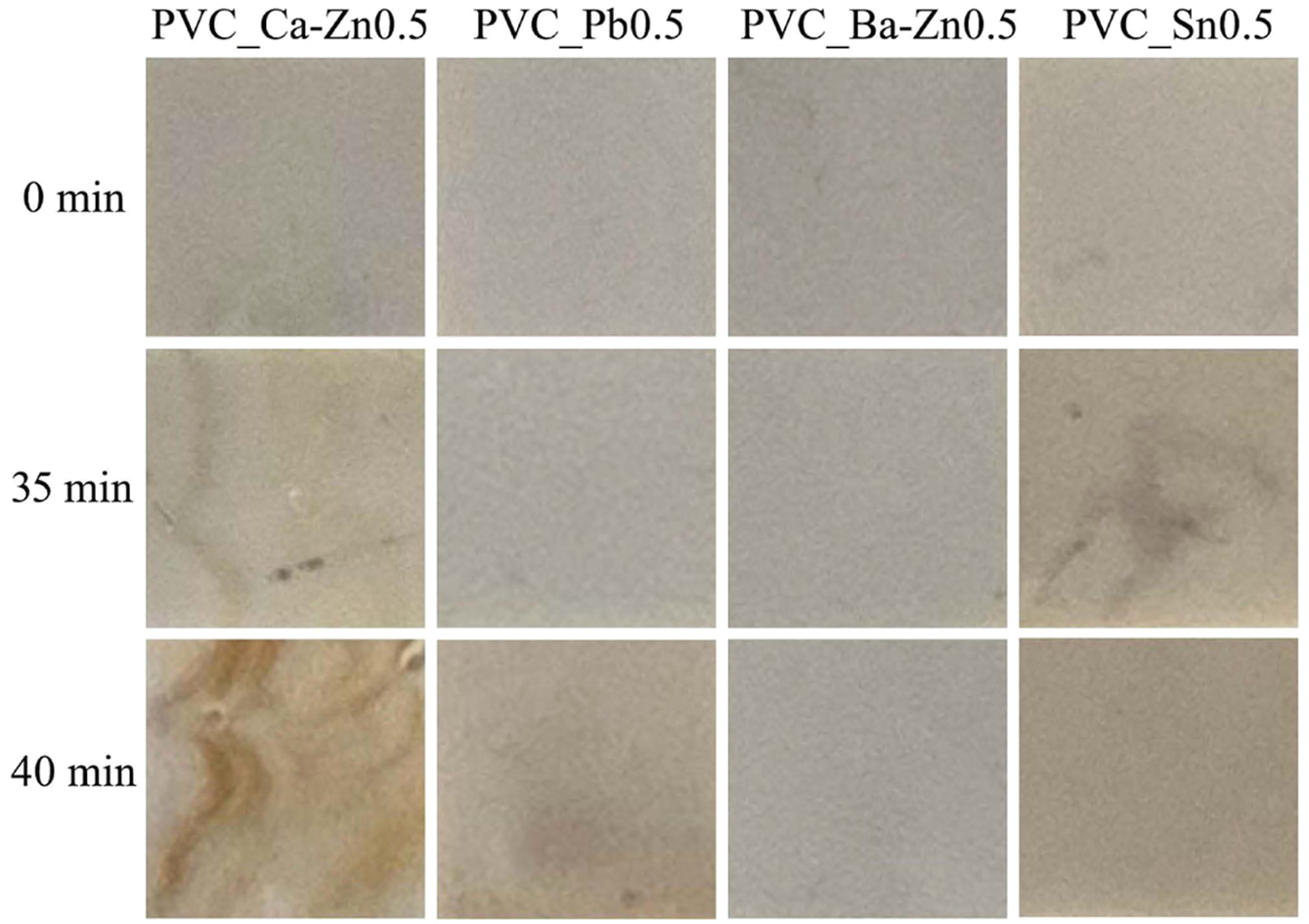
To evaluate static thermal stability via visual color transitions, PVC strips formulated with various stabilizers were subjected to isothermal heating at 200 °C in a convection oven. The discoloration test results, conducted at 200 °C in 5-min intervals, are depicted in Figure 1. Consequently, to enhance visual clarity, the data evaluation in this study focuses primarily on the critical points of discoloration. Since the discoloration behavior of PVC compounds is intrinsically linked to thermal history and processing conditions, maintaining stringent control over these variables is essential for an accurate comparative assessment of heat resistance.17
For this study, a base formulation derived from preliminary compounding tests was employed, integrating equivalent concentrations of Ca-Zn, Pb, Ba-Zn, and Sn stabilizers (Table 1). Among the tested samples, PVC_Ba-Zn0.5 exhibited the most robust thermal stability at 200 °C. In contrast, the PVC_Pb0.5 sample containing lead stearate showed initial signs of color transition after 40 min (DC=42.8%). Samples stabilized with 0.5 wt% of Ca-Zn and Sn stabilizers demonstrated lower thermal endurance, with discoloration commencing at the 35 min mark. Respectively, values of roughly 39.7% and 11.5% were recorded for the DC of these specimens at the 35-min mark.
In PVC processing, metal carboxylates function synergistically as both lubricants and stabilizers.18,19 Specifically, lead stearate provides a dual benefit: it acts as a high-efficiency internal lubricant and a potent HCl scavenger, neutralizing the hydrochloric acid released during thermal degradation.
However, the interaction between metal soap stabilizers and HCl inevitably yields metal chlorides, such as PbCl2, ZnCl2, and BaCl2.20 The catalytic impact of these byproduct Lewis acids on PVC degradation varies significantly. For instance, PbCl2 is characterized as a weak Lewis acid and does not accelerate the dehydrochlorination process.5
Conversely, ZnCl2 behaves as a strong, ionic Lewis acid,21 which triggers rapid degradation-a phenomenon frequently termed “zinc burning”. This process accelerates “zip-elimination” and promotes undesirable crosslinking, ultimately turning the PVC product black.2,5 To mitigate this effect, calcium or barium stearate is typically co-formulated with zinc stearate. This combination enables an ion-exchange mechanism where calcium reacts with ZnCl2 to form benign CaCl₂ while simultaneously regenerating the zinc stearate.20 Given that calcium stearate is progressively consumed during this cycle, it is generally applied at a higher stoichiometric ratio. Furthermore, barium stearate exhibits superior reactivity in neutralizing HCl compared to calcium stearate, owing to its higher dissociation capability.17,18
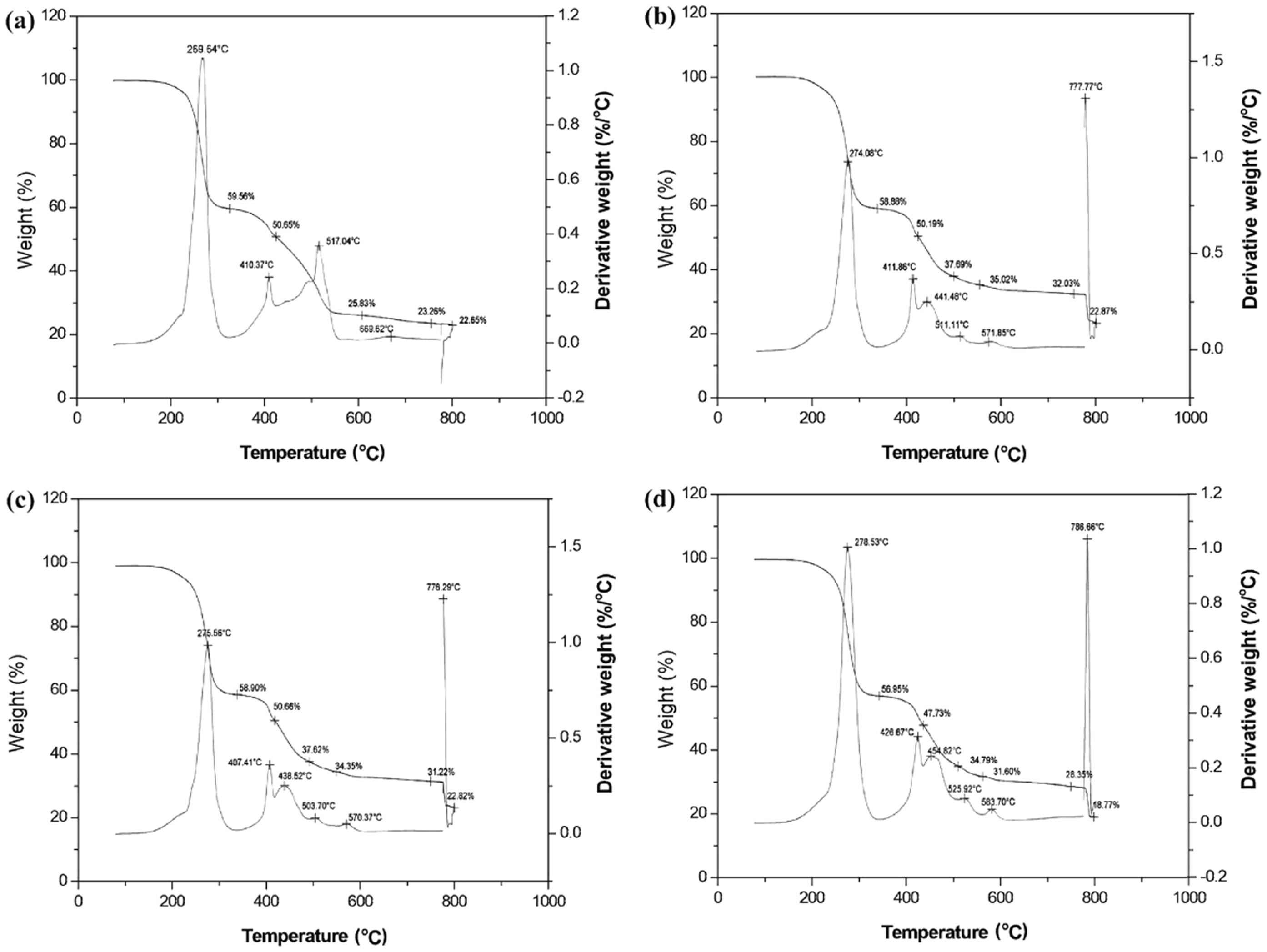
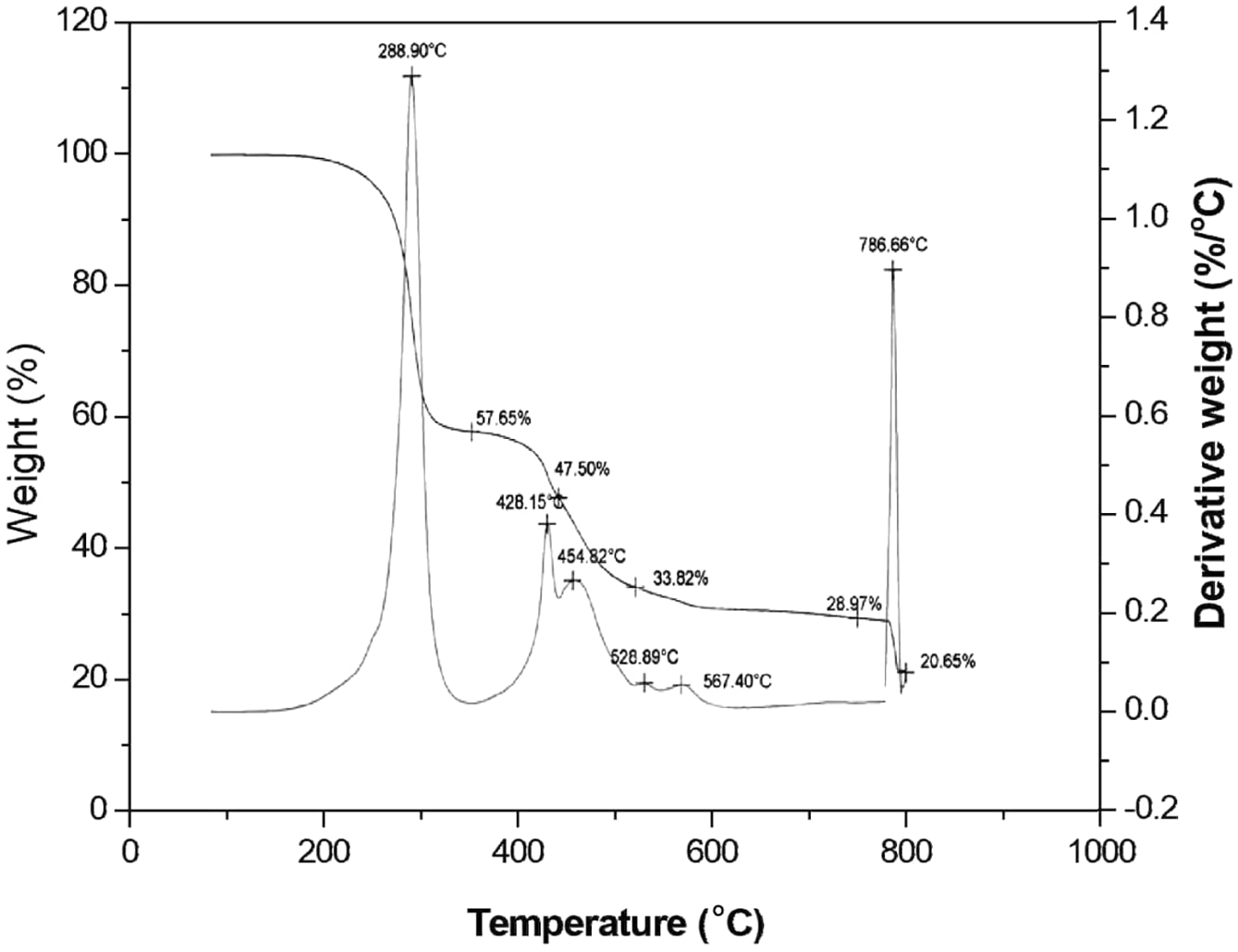
The thermal degradation profiles of PVC samples stabilized with Ca-Zn, Pb, Ba-Zn, and Sn are illustrated in the TGA and DTG curves in Figure 2. Across all formulations, a distinct two-step weight loss pattern was observed. The primary degradation phase, occurring between 240 °C and 375 °C, is predominantly associated with the dehydrochlorination of the PVC backbone and the subsequent evaporation of plasticizing agents. This is followed by a secondary stage exceeding 415 °C, where carbonaceous char residues are formed through complex pyrolysis reactions.3
Quantitative analysis of the TGA thermograms for the four different heat stabilizers indicates varying degrees of thermal protection. The initial decomposition temperature (Tonset) followed the order: PVC_Ca-Zn0.5 (269.6 °C) < PVC_Pb0.5 (274.1 °C) < PVC_Ba-Zn0.5 (275.6 °C) < PVC_Sn0.5 (278.5 °C). Among these, the Sn stabilizer demonstrated the highest threshold for initial degradation, confirming its exceptional performance in bolstering the early-stage thermal resistance of the polymer.
To further explore alternative stabilization, Figure 3 delineates the TG behavior of a PVC compound containing 0.5 wt% MgAl-LDH. Similar to the other stabilized systems, the PVC_LDH0.5 sample follows a typical two-stage decomposition path. Notably, this particular sample exhibited a superior Tonset of 288.9 °C, surpassing all other tested stabilizers in terms of early-phase thermal enhancement. At the 800 °C mark, the final char yields were recorded as follows: PVC_Pb0.5 (22.87%), PVC_Ba-Zn0.5 (22.82%), PVC_Ca-Zn0.5 (22.65%), PVC_LDH0.5 (20.65%), and PVC_Sn0.5 (18.77%). The reduced residual mass of the MgAl-LDH system, compared to conventional metal-soap stabilizers, can be attributed to the constitutional dehydration of the LDH layers, which contributes to the overall weight loss during heating.8
Notably, results from our previous thermal desorption-gas chromatography-mass spectrometry test indicate that the lowest char yield of the PVC_Sn0.5 sample is presumably rooted in the specific behavior of the Sn stabilizer. Unlike alternative stabilizers that encourage the formation of metal oxide residues, MTM tends to yield volatile trimethyltin chloride with a low boiling point, leading to its subsequent evaporation.
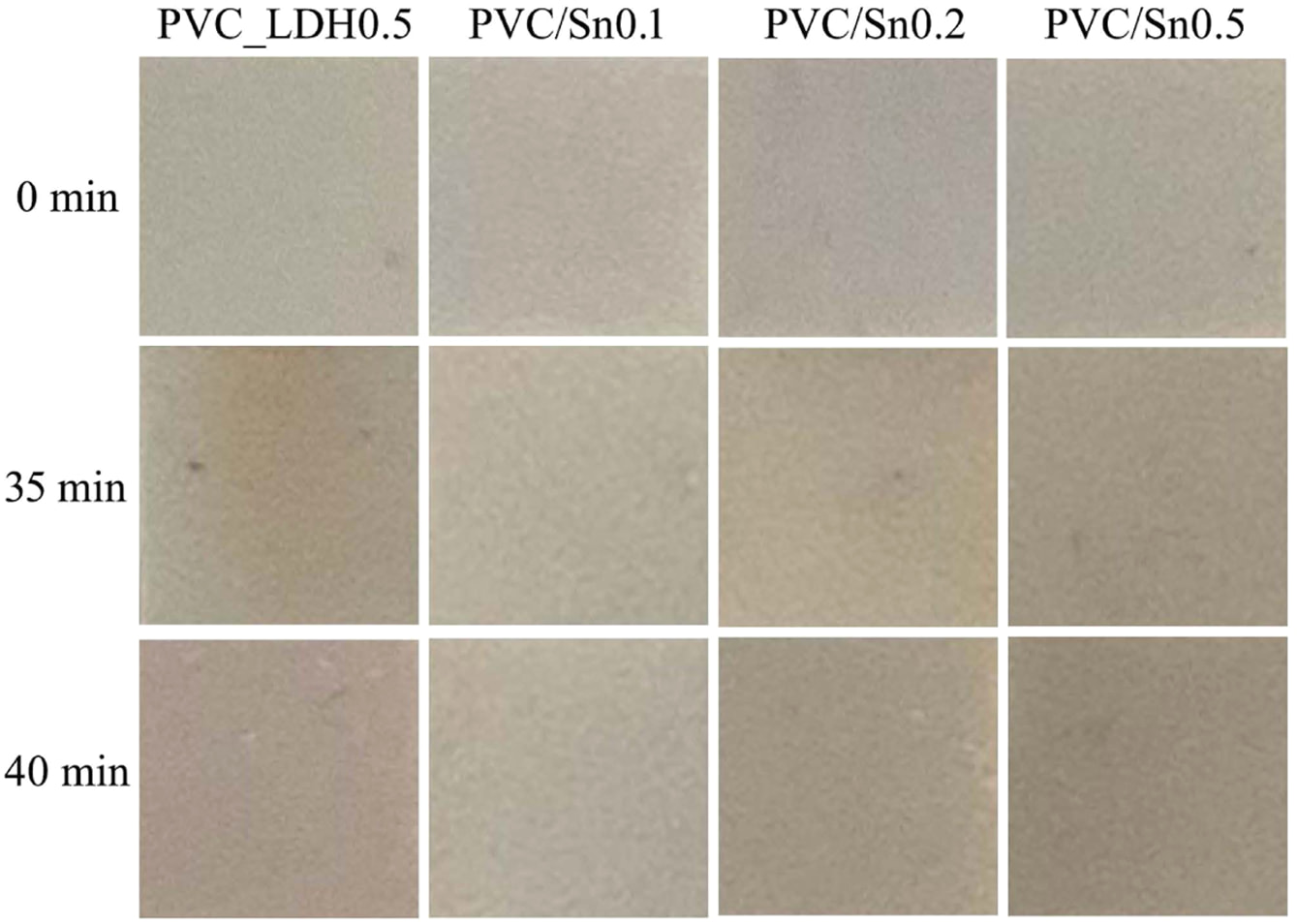
Discoloration Test of PVC/LDH Composites. To compensate for the limited long-term stability of Ca-Zn systems, organotin compounds are often introduced.20 Figure 4 illustrates the performance of the Ca-Zn/MgAl-LDH/Sn system at 200 °C, where the Sn stabilizer concentration was varied from 0.1 to 0.5 phr while keeping other components constant.
For ease of distinction, the baseline formulation for stabilizer comparison and the MgAl-LDH integrated composite are denoted as PVC_stabilizer and PVC/LDH, respectively. As exemplified in Table 1, PVC_Ca-Zn0.5 signifies a PVC compound containing 0.5 wt% Ca-Zn stabilizer. Furthermore, PVC/LDH0.5 in Table 2 represents a composite where 0.5 phr of MgAl-LDH and 0.1 phr of Sn stabilizer were incorporated into 100 parts of the PVC_Ca-Zn0.5 compound.
In the case of PVC_LDH0.5 (Figure 4), the combination of 0.5 wt% MgAl-LDH and 0.15 wt% antioxidant (Table 1) was found to effectively eliminate initial discoloration for up to 30 min.
Notably, the formulation with the minimum Sn stabilizer content (0.1 phr) remained stable without discoloration for up to 40 min. In contrast, higher Sn stabilizer concentrations appeared to accelerate pigmentation after 35 min. Consequently, the optimal concentration for the Sn stabilizer in this specific system is identified as 0.2 phr or below.
Excessive additive loading may impair optical properties like transparency, even if thermal stability improves. For instance, mercaptan-based tin stabilizers can cause detrimental side reactions when present in stoichiometric excess. During melting, the reaction between surplus tin and mercaptan groups frequently results in a yellowish or brownish tint.4 Such a phenomenon explains the accelerated discoloration observed in the PVC_Sn0.5 sample (Figure 1), confirming that the stabilizer loading exceeded its optimum level.
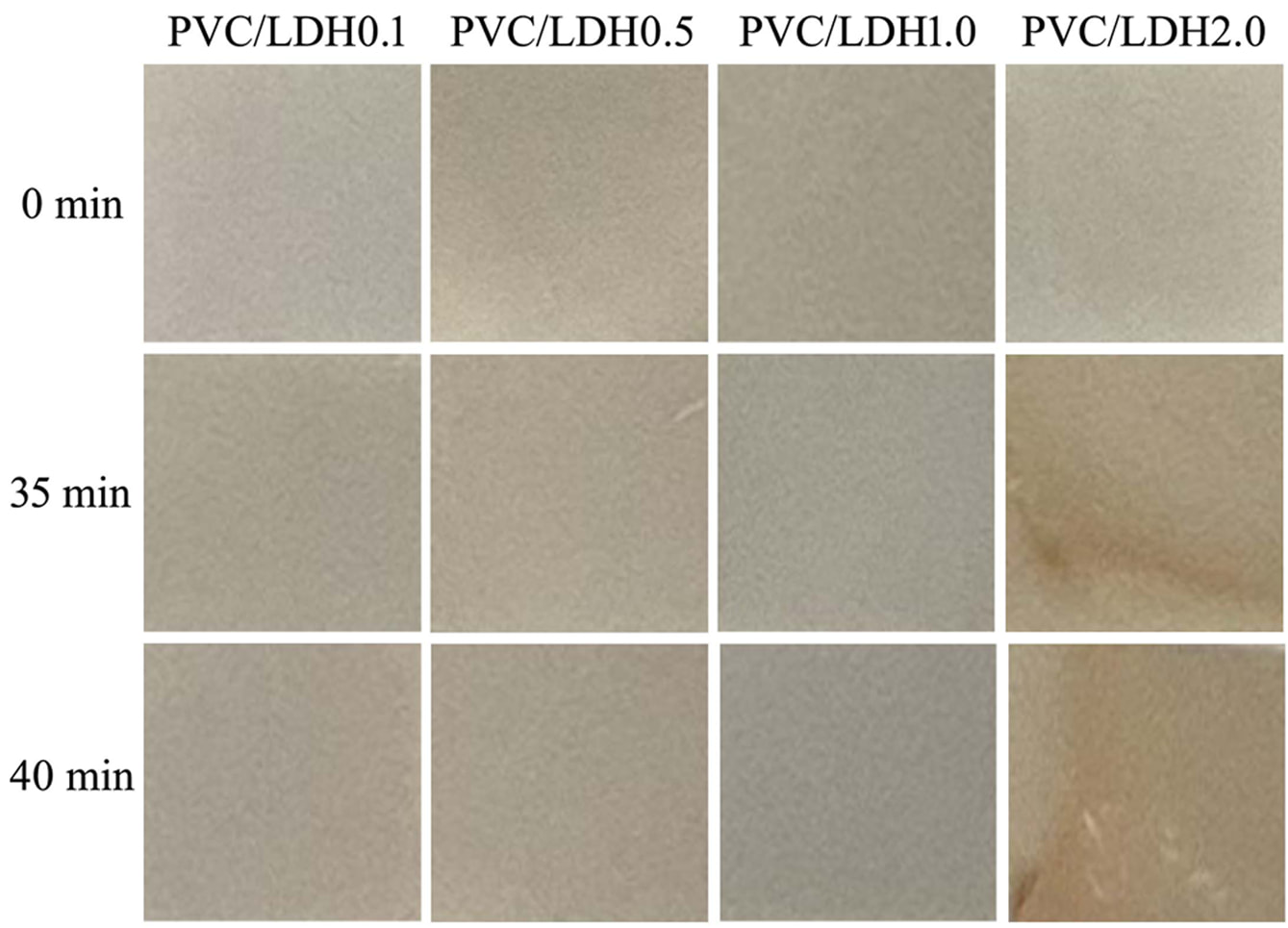
The coloration patterns exhibited significant dependency on the dosage of MgAl-LDH (Figure 5). Specifically, the thermal stability of the samples was optimized within the concentration range of 0.1-1 phr, demonstrating performance comparable to that of the Ba-Zn stabilizer system (Figure 1).
Conversely, increasing the MgAl-LDH content to 2 phr triggered a distinct discoloration starting at 35 min, a phenomenon not observed in other specimens. At the 35-min mark, the PVC/LDH2.0 composite exhibited the DC value of roughly 35.5%, a figure that substantially surpassed the 12.8% recorded for the PVC/LDH0.5 formulation. This suggests that excessive MgAl-LDH loading may impede particle dispersion within the PVC matrix. However, while the incorporation of MgAl-LDH altered the heat resistance of the pristine PVC compound, it exerted no significant impact on the tensile yield strength values.
Cytotoxicity Test. The MTT assay is a cytotoxicity test used to evaluate the degree of toxicity that a specific compound (or substance) exerts on cells.16,21 The MTT assay operates on the mechanism where purple formazan crystals are generated from the reduction of the yellow tetrazolium salt, a process driven exclusively by metabolically active cells.16
In this study, extraction was performed for 24 h at 37 °C using the MEM/10%-FBS, at a ratio of 20 mL of medium per 4 g of sample, in accordance with the Ministry of Food and Drug Safety Notification No. 2020-12 (Common Standards for Biological Safety of Medical Devices). The cell proliferation of each extract was measured using the MTT assay after culturing MRC-5 cells for 24 h.
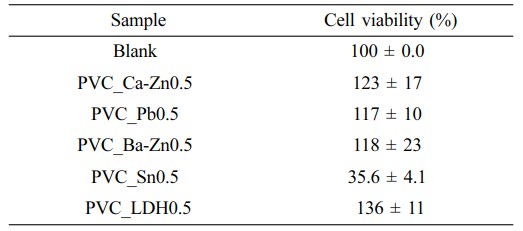
The cell viability for PVC specimens stabilized with metallic stearates-namely PVC_Ca-Zn0.5, PVC_Pb0.5, and PVC_Ba-Zn0.5-was measured at 123%, 117%, and 118%, respectively (Table 3). Considering the overlapping standard deviations, the data reveal no significant statistical variance among the evaluated groups. Such uniformity can be attributed to the intrinsic low solubility of metal stearates in aqueous and organic environments, which effectively prevents them from being extracted from the polymer matrix.22
In contrast, MTM, though widely used as a low-toxicity stabilizer due to its minimal aqueous solubility, presents a different migration profile. Despite being a liquid form soluble in organic solvents like acetone and benzene, previous studies using food simulants have noted its increased migration in lipophilic or high-temperature environments.23 It is hypothesized that the complex composition of the culture media-containing amino acids, inorganic salts, and buffers-facilitated higher leaching rates for MTM compared to the more stable metallic stearates.
The most notable cell viability was observed in the PVC_LDH0.5 formulated with MgAl-LDH, which reached 136%. This enhanced performance is attributed to the biological safety of Mg2+ and Al3+ ions. These primary constituents of MgAl-LDH have been documented to exhibit excellent compatibility at optimal concentrations across diverse cell lines, including human lung epithelial cells, osteoblast-like cells, and fibroblasts.24
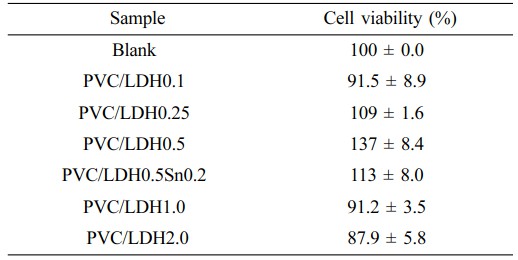
The viability of MRC-5 cells in response to different MgAl-LDH loadings is documented in Table 4. Building upon the baseline formulation of 100 phr PVC_Ca-Zn0.5 and 0.1 phr Sn stabilizer, we systematically increased the MgAl-LDH content up to 2.0 phr as specified in Table 2.
All samples maintained viability levels above 70%, confirming a lack of acute cytotoxicity toward MRC-5 cells. The PVC-LDH0.5 sample (0.5 phr MgAl-LDH) demonstrated the peak viability at 137%. Interestingly, the viability followed a non-linear trend: starting at 91.5% for 0.1 phr MgAl-LDH, peaking at 0.5 phr, and subsequently declining to 91.2% as the MgAl-LDH content reached 1.0 phr.
These findings suggest a concentration-dependent interaction; while MgAl-LDH effectively inhibits Sn stabilizer leaching at concentrations up to 0.5 phr, higher concentrations (above 1.0 phr) may introduce leached species that significantly suppress MRC-5 cell proliferation. This is further evidenced by the comparatively lower viability (91.5%) observed at the minimum MgAl-LDH concentration of 0.1 phr (PVC/LDH0.1).
However, the toxicological impact remains limited; a comparison between PVC/LDH1.0 and PVC/LDH2.0 showed a negligible viability decrease of approximately 3%, despite doubling the MgAl-LDH content.
Furthermore, increasing the Sn stabilizer concentration-as seen in the PVC/LDH0.5Sn0.2 sample-resulted in a viability decrease to 113%. Data obtained from both the discoloration test and MTT assay demonstrate that the Ca-Zn:Sn:MgAl-LDH thermal stabilizer system achieves its maximum synergistic efficiency at a ratio of 1:0.2:1.
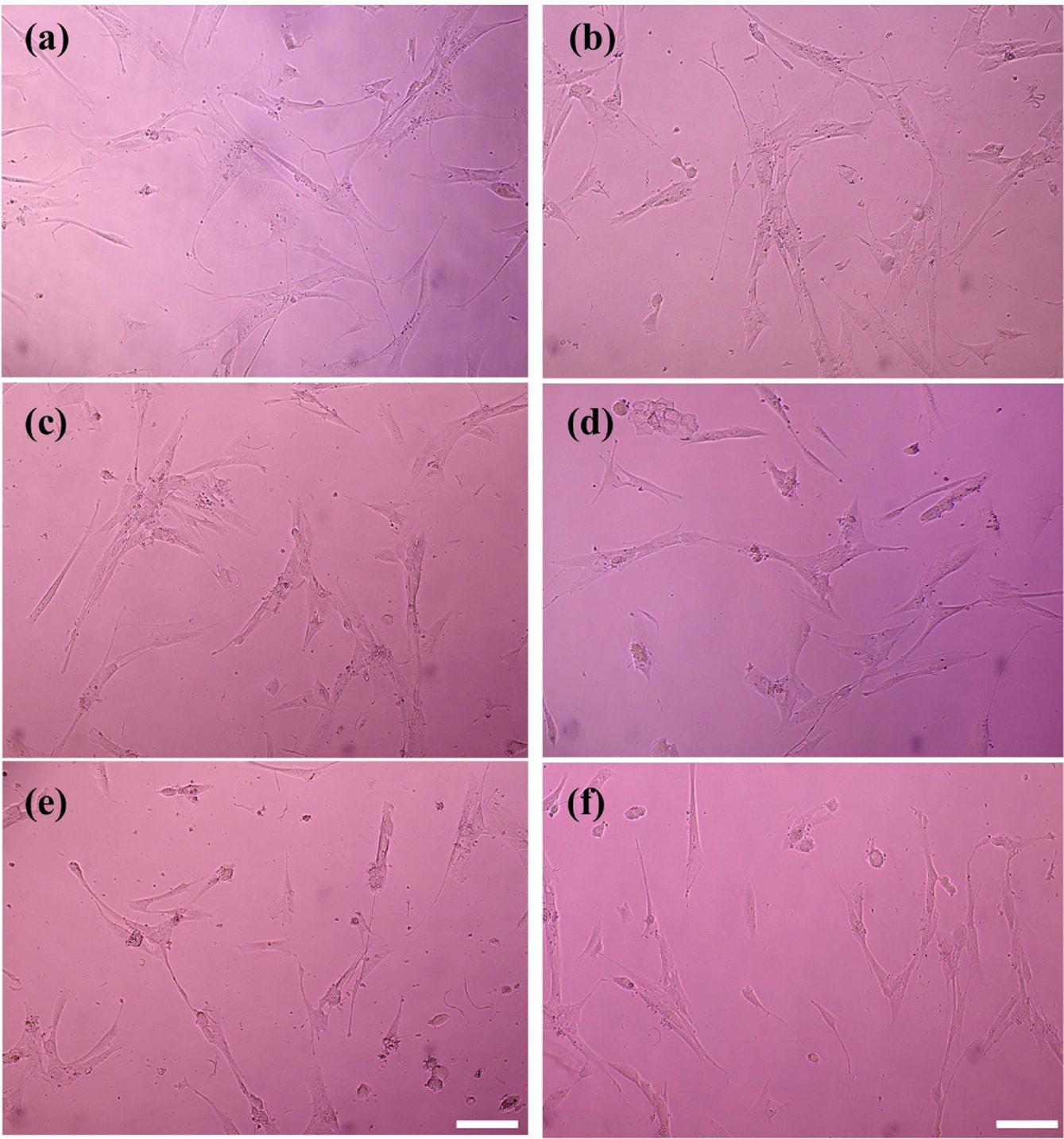
Figure 6 illustrates the morphological changes in cells before and after treatment with extracts prepared according to the formulation ratios in Table 2. Normal MRC-5 cells exhibited a characteristic flattened, elongated, and parallel spindle-shaped fibroblastic appearance (Figure 6(a)). Similarly, no significant morphological deviations were observed between the cells untreated extract (Figure 6(a)) and the cells treated for 24 h with 100% extracts containing 0.1, 0.25 and 0.5 phr of MgAl-LDH (Figure 6(b),(c) and (d)). Cells cultured in these extracts remained elongated and isolated without undergoing fibrogenesis. In contrast, MRC-5 cells treated with extracts of 1.0 and 2.0 phr MgAl-LDH (Figure 6(e) and (f)) showed a substantial reduction in size compared to both untreated cells (Figure 6(a)) and those treated with lower concentrations (0.25 and 0.5 phr). While some cells retained an elongated form, others remained spherical, indicating a slight reactivity. If toxicity further manifests, it may lead to cell death (apoptosis or necrosis), characterized by cell shrinkage or fragmentation-typical markers of a cytotoxic response.
For reference, the MTT assay potentially misleads viability assessments in scenarios where cells are quantitatively stable but mitochondrially dysfunctional, given its dependency on dehydrogenase activity.25 Conversely, complementary evaluations-including the trypan blue exclusion technique and live/dead assays-render more direct proof of cytotoxic effects.25-27
Synergistic Effect of Metal β-diketonate. Among co-stabilizers, β-diketones are widely utilized for their superior ability to maintain the initial color of PVC. By displacing allylic chlorine or chelating ZnCl2, they enhance both initial and long-term thermal resistance.6,28 Based on this, we incorporated metal β-diketonates into the Ca-Zn/Sn/MgAl-LDH system for potential synergy, which our thermal aging results later substantiated.
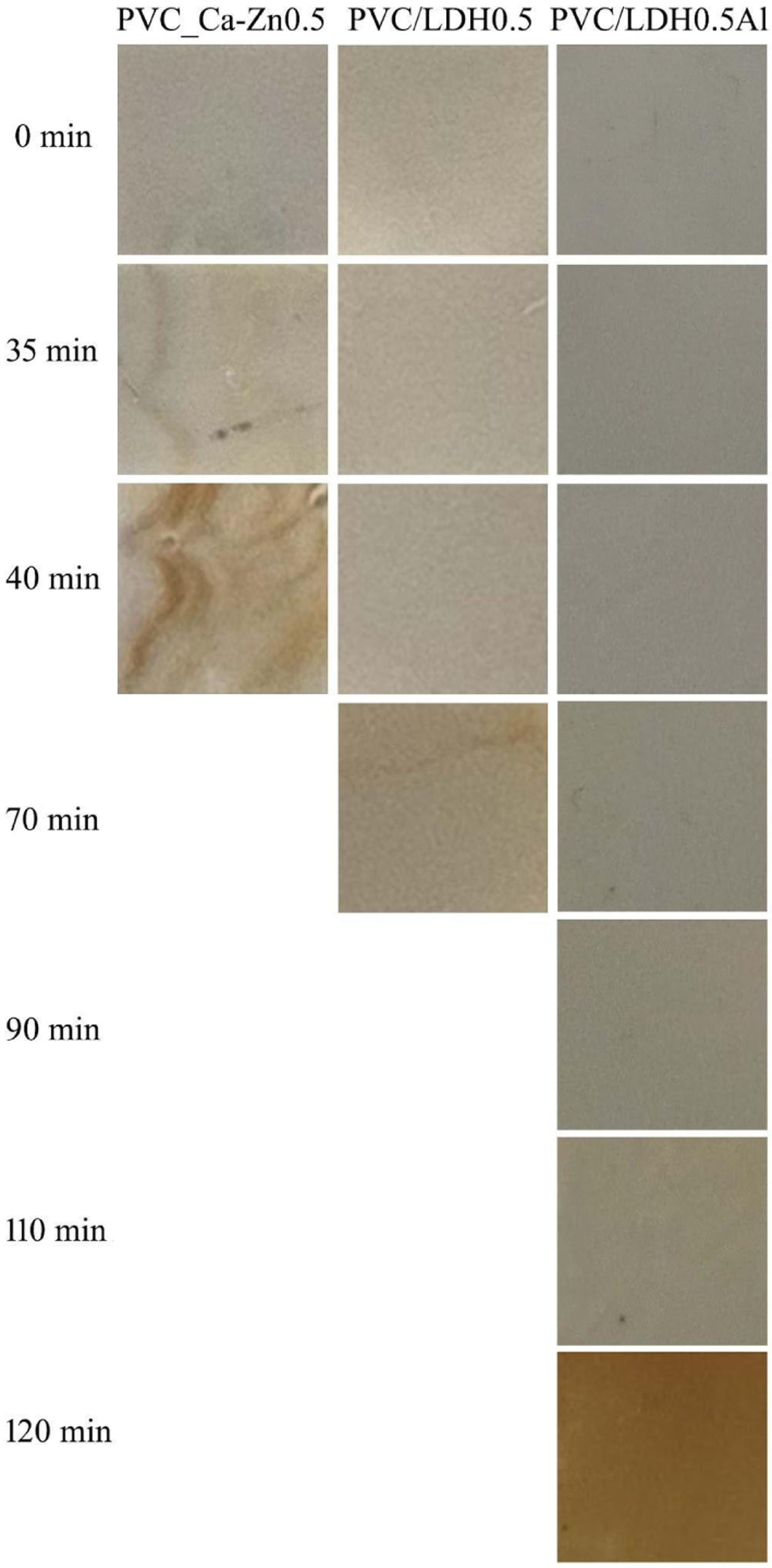
As illustrated in Figure 7, the PVC formulation incorporating aluminum acetylacetonate exhibited the most favorable initial color, remaining stable for the first 110 min of exposure. In contrast, the specimen containing only the Ca-Zn stabilizer showed perceptible discoloration after 35 min. For the PVC/LDH0.5 composite, discoloration was complete at 70 min.
|
Figure 1 Discoloration test results of the PVC_Ca-Zn0.5, PVC_Pb0.5, PVC_Ba-Zn0.5, and PVC_Sn0.5 compounds. |
|
Figure 2 TGA and DTG curves of the (a) PVC_Ca-Zn0.5; (b) PVC_Pb0.5; (c) PVC_Ba-Zn0.5; (d) PVC_Sn0.5. |
|
Figure 3 TGA and DTG curves of the PVC_LDH0.5. |
|
Figure 4 Discoloration test results obtained by changing the Sn stabilizer content of the PVC/LDH0.5 composite formulated according to Table 2 to 0.1 phr (PVC/Sn0.1), 0.2 phr (PVC/Sn0.2), and 0.5 phr (PVC/Sn0.5). |
|
Figure 5 Discoloration test results of the PVC/LDH composites with MgAl-LDH contents of 0.1 phr (PVC/LDH0.1), 0.5 phr (PVC/LDH0.5), 1.0 phr (PVC/LDH1.0) and 2.0 phr (PVC/LDH2.0) formulated according to Table 2. |
|
Figure 6 Morphological changes in MRC-5 cells before and after treatment with extract of PVC/LDH composites prepared according to the formulation ratios in Table 2: (a) untreated; (b) PVC/LDH0.1; (c) PVC/LDH0.25; (d) PVC/LDH0.5; (e) PVC/LDH1.0; (f) PVC/ LDH2.0 (scale bar = 100 µm). |
|
Figure 7 Discoloration test results of the PVC/LDH0.5Al composite (addition of 0.2 phr aluminum acetylacetonate to the PVC/LDH0.5 formulation of Table 2). |
This research investigated the thermal stability and cytotoxicity of PVC/LDH composites, aiming to develop alternatives to toxic heavy-metal stabilizers. Through systematic blending optimization, the synergistic effects of Ca-Zn, Sn stabilizer, and MgAl-LDH were evaluated.
In the TGA results, the PVC compound incorporated with 0.5 wt% MgAl-LDH exhibited a superior Tonset of 288.9 °C. This value significantly exceeds those of Ca-Zn (269.6 °C) and Sn stabilizers (278.5 °C), demonstrating the superior efficacy of LDH in enhancing early-stage thermal resistance.
Discoloration tests at 200 °C demonstrated that while low Sn stabilizer concentrations (0.1 phr) maintained color stability for more than 40 min, higher loadings unexpectedly accelerated browning after 35 min. Similarly, MgAl-LDH exhibited an optimal efficiency range of 0.1-1 phr; beyond 2 phr, discoloration occurred earlier due to poor particle dispersibility.
Cytotoxicity evaluations using the MTT assay indicated that while MgAl-LDH functions as an efficient chelating agent for Sn stabilizer within a specific concentration threshold, exceeding this limit leads to a marked inhibition of MRC-5 cell proliferation due to the release of LDH-derived solutes. Furthermore, doubling the liquid Sn stabilizer content in the PVC/LDH0.5 composite resulted in a 17.5% reduction in cell viability. This decline is attributed to the higher leachability of liquid stabilizers compared to their metallic soap-based counterparts.
Consequently, it was confirmed that a 1:0.2:1 ratio represents the most appropriate formulation for the Ca-Zn/Sn/MgAl-LDH hybrid system under the specific experimental conditions tested. Additionally, incorporating 0.2 phr of aluminum acetylacetonate, a β-diketone structure, significantly enhanced the heat stability of the PVC/LDH0.5 composite, extending it to nearly 2 h.
Future investigations will explore the influence of diverse metal β-diketonates on the functional performance of these composite systems. In the next phase, we aim to formulate the developed complex stabilizer into a masterbatch format. This masterbatch will then be applied to the production of prototype pipes and flooring materials to assess their functional properties and safety standards.
- 1. Asawakosinchai, A.; Jubsilp, C.; Mora, P.; Rimdusit, S. Organic Heat Stabilizers for Polyvinyl Chloride (PVC): A Synergistic Behavior of Eugenol and Uracil Derivative. J Mater. Eng. Perform. 2017, 26, 4781-4788.
-

- 2. Jubsilp, C.; Asawakosinchai, A.; Mora, P.; Saramas, D.; Rimdusit, S. Effects of Organic Based Heat Stabilizer on Properties of Polyvinyl Chloride for Pipe Applications: A Comparative Study with Pb and CaZn Systems. Polymers 2022, 14, 133.
-
- 3. Close, L. G.; Gilbert, R. D.; Forne, R. E. Poly(Vinyl Chloride) Degradation-A Review. Polym-Plast. Technol. Eng. 1977, 8, 177-198.
-
- 4. Arkış, E.; Balköse, D. Thermal Stabilisation of Poly(vinyl chloride) by Organotin Compounds. Polym. Degrad. Stab. 2005, 88, 46-51.
-
- 5. Sombatsompop, N.; Taptim, K.; Chaochanchaikul, K.; Thongpin, C. Improvement of Structural and Thermal Stabilities of PVC and Wood/PVC Composite by Zn and Pb Stearates, and Zeolite. J. Macromol. Sci. Part A-Pure Appl. Chem. 2008, 45, 534-541.
-
- 6. Li, D.; Zhou, M.; Xie, L.; Yu, X.; Yu, Y.; Ai, H.; Tang, S. Synergism of Pentaerythritol-zinc with β-diketone and Calcium Stearate in Poly(vinyl chloride) Thermal Stability. Polym. J. 2013, 45, 775-782.
-
- 7. Mochane, M. J.; Magagula, S. I.; Sefadi, J. S.; Sadiku, E. R.; Mokhena, T. C. Morphology, Thermal Stability, and Flammability Properties of Polymer-Layered Double Hydroxide (LDH) Nanocomposites: A Review. Crystals 2020, 10, 612.
-
- 8. Yu, G.; Zhou, Y.; Yang, R.; Wang, M.; Shen, L.; Li Y.; Xue, N.; Guo, X.; Ding, W.; Peng, L. Dehydration and Dehydroxylation of Layered Double Hydroxides: New Insights from Solid-State NMR and FT-IR Studies of Deuterated Samples. J. Phys. Chem. C 2015, 119, 12325-12334.
-
- 9. Du, L.; Qu, B.; Zhang, M. Thermal Properties and Combustion Characterization of nylon 6/MgAl-LDH Nanocomposites via Organic Modification and Melt Intercalation. Polym. Degrad. Stab. 2007, 92, 497-502.
-
- 10. Shen, G.; Zhao, Y.; Ma, M.; Wang, Y.; Hao, X.; Yuan, G. Enhancing the Initial Whiteness and Long‐Term Thermal Stability of Polyvinyl Chloride by Utilizing Layered Double Hydroxides with Low Surface Basicity. Polymers 2023, 15, 1043.
-
- 11. Zhang, J.; Xu, B.; Wang, H.; Jin, F.; Dai, J.; Fu, S. Efficient Thermo-Stability and Smoke-Suppression Properties of La Doping Mg-Al LDHs on PVC Nanocomposites. Mater. Plast. 2020, 57, 297-308.
-
- 12. Cavani, F.; Trifiro, F.; Vaccari, A. Hydrotalcite-type Anionic Clays: Preparation, Properties and Applications. Catal. Today 1991, 11, 173-301.
-
- 13. Khan, A. I.; O’Hare, D. Intercalation Chemistry of Layered Double Hydroxides: Recent Developments and Applications. J. Mater. Chem. 2002, 12, 3191-3198.
-
- 14. Singh, M.; Singh, R. K.; Singh, S. K.; Mahto, S. K.; Misra, N. In Vitro Biocompatibility Analysis of Functionalized Poly(vinyl chloride)/layered Double Hydroxide Nanocomposites. RSC Adv. 2018, 8, 40611-40620.
-
- 15. Beltrami, R.; Colombo, M.; Rizzo, K.; Cristofaro, A. D.; Poggio, C.; Pietrocola, G. Cytotoxicity of Different Composite Resins on Human Gingival Fibroblast Cell Lines. Biomimetics 2021, 6, 26.
-
- 16. Choi, S. J.; Oh, J. M.; Choy, J. H. Safety Aspect of Inorganic Layered Nanoparticles: Size-Dependency In Vitro and In Vivo. J. Nanosci. Nanotechnol. 2008, 8, 5297-5301
-
- 17. Abd El-Ghaffar, M. A.; Youssef, E. A. M.; Afify, M. F. High Performance Metal Stearates Thermal Stabilizers for Poly Vinyl Chloride. Int. J. Petrochem. Sci. Eng. 2019, 4, 162-168.
-
- 18. Lévai, G. Y.; Ocskay, G. Y.; Nyitrai, Z. S. Effect of the Dissociation of Barium and Cadmium Stearates on the Heat Stabilization of PVC. Polym. Degrad. Stab. 1994, 43, 159-164.
-
- 19. Phillips, J.; Weldhagen, M.; Mhlabeni, T.; Radebe, L.; Ramjee, S.; Wesley-Smith, J.; Atanasova, M.; Focke, W. W. Thermal Characterisation of Metal Stearate Lubricant Mixtures for Polymer Compounding Applications. Thermochimica Acta. 2021, 699, 178906.
-
- 20. Wang, X.; Di, C.; Wang, T. Effect of Different Tin Neodecanoate and Calcium-zinc Heat Stabilizers on the Thermal Stability of PVC. e-Polymers 2023, 23, 20230029.
-
- 21. Choi, E. M. Cytotoxicity (MTT) Evaluation of Dental Instruments Made of Polymers. J. Korea Converg. Soc. 2021, 12, 187-195.
- 22. Jenke, D. R. Extraction of Stearate Salts from Plastic Materials Used in Pharmaceutical Applications. PDA J. Pharm. Sci. Technol. 2010, 64, 200-210.
- 23. de Kruijf, N.; Rijk, R. The Suitability of Alternative Fatty Food Simulants for Overall Migration Testing Under Both Low- and High-temperature Test Conditions. Food. Addit. Contam. 1997, 14, 775-789.
-
- 24. Forano, C.; Bruna, F.; Mousty, C.; Prevot, V. Interactions Between Biological Cells and Layered Double Hydroxides: Towards Functional Materials. Chem. Rec. 2018, 18, 1-18.
-
- 25. Berridge, M. V.; Herst, P. M.; Tan, A. S. Tetrazolium Dyes as Tools in Cell Biology: New Insights Into Their Cellular Reduction. Biotechnol. Annu. Rev. 2005, 11, 127-152.
-
- 26. Kamiloglu, S.; Sari, G.; Ozdal, T.; Capanoglu, E. Guidelines for Cell Viability Assays. Food Frontiers 2020, 1, 332-349.
-
- 27. Strober, W. Trypan Blue Exclusion Test of Cell Viability. Curr. Protoc. Immunol. 2015, 111, A3.B.1-A3.B.3.
-
- 28. Benavides, R.; Edge, M.; Allen, N. S.; Te´llez, M. M. Stabilization of Poly(vinyl chloride) with Preheated Metal Stearates and Costabilizers. I. Use of a β-Diketone. J. Appl. Polym. Sci. 1998, 68, 1-10.
-
- Polymer(Korea) 폴리머
- Frequency : Bimonthly(odd)
ISSN 2234-8077(Online)
Abbr. Polym. Korea - 2025 Impact Factor : 1.0
- Indexed in SCIE
 This Article
-
2026; 50(5): 726-735
Published online Sep 25, 2026
- 10.7317/pk.2026.50.5.726
- Received on May 15, 2026
- Revised on Jun 15, 2026
- Accepted on Jun 16, 2026
Services
- Full Text PDF
- Abstract
- ToC
- Acknowledgements
- Conflict of Interest
Introduction
Experimental
Results and Discussion
Conclusions
- References
Shared
Correspondence to
- Jae Hyung Park*, Eun-Soo Park
-
Intechnology Co., Ltd., 861-46, Poseungjangan-ro, Jang-an-ri, Jangan-myeon, Hwaseong-si, Gyeonggi-do 18586, Korea
*Fusion Material Research Group, Korea Institute of Materials Convergence Technology, Busan 47154, Korea - E-mail: park1360@hanmail.net, t2phage@hitel.net
- ORCID:
0000-0003-0556-0704, 0000-0002-4150-7401
 Copyright(c) The Polymer Society of Korea. All right reserved.
Hyecheon Building(Room 601), #354, Gangnam-Daero, Gangnam-Gu, Seoul 06242, Korea
TEL : 82-2-568-3860, 561-5203, 569-3860 FAX : 82-2553-6938 E-mail: polymer@polymer.or.kr